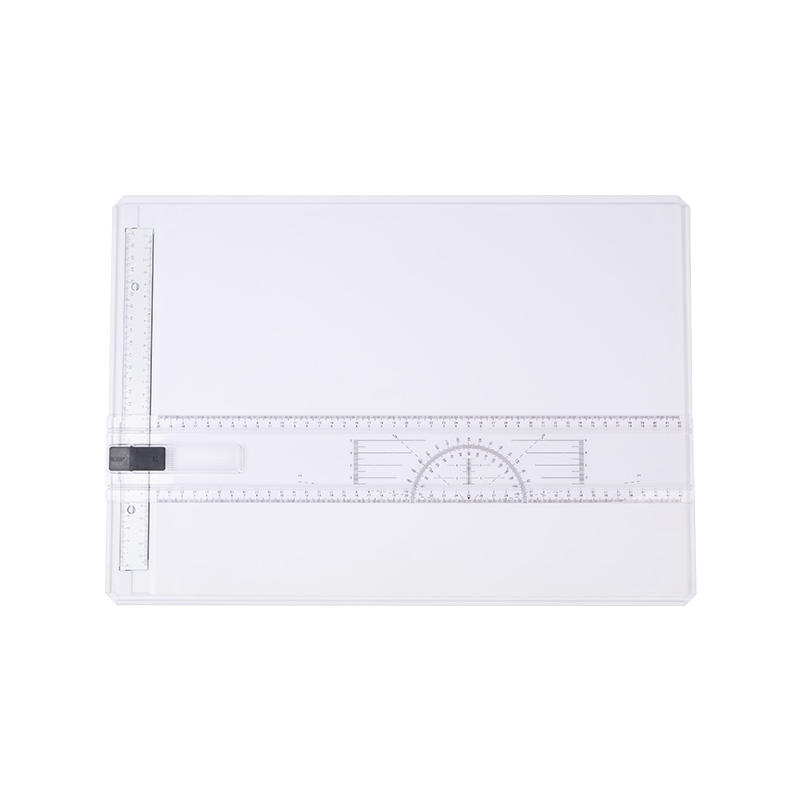
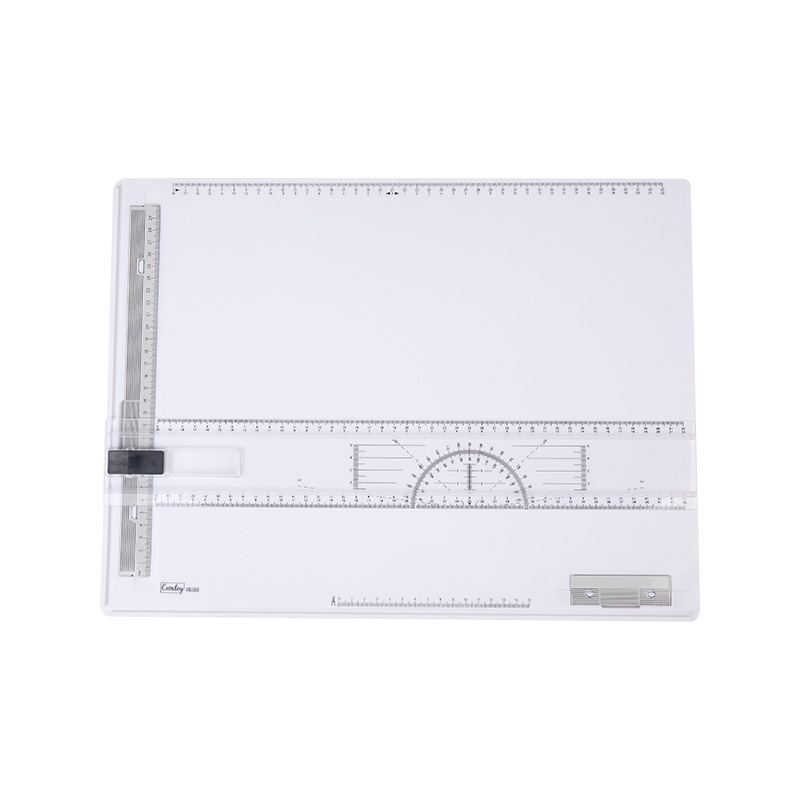
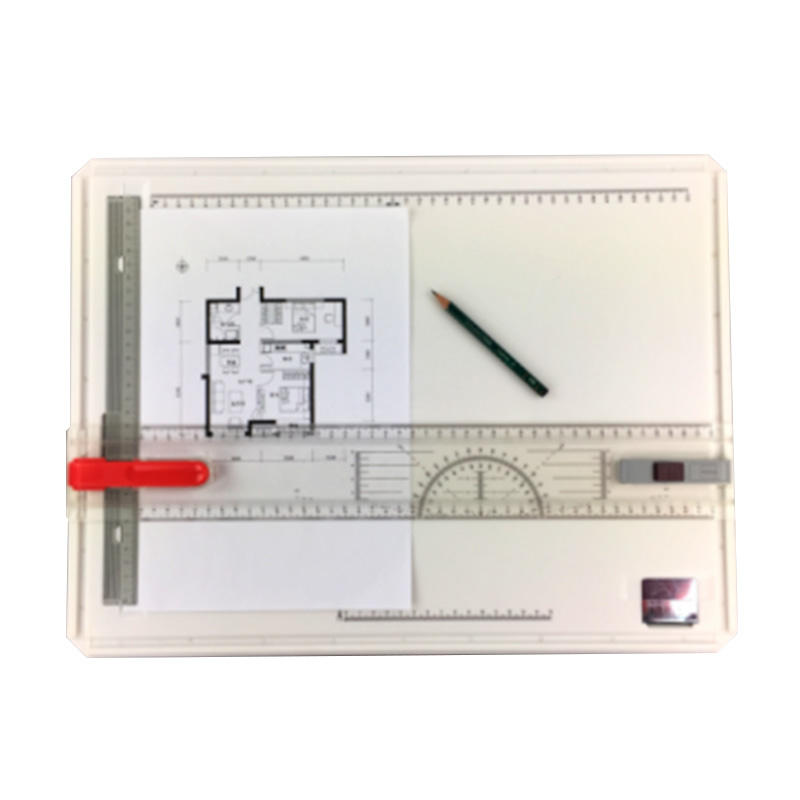
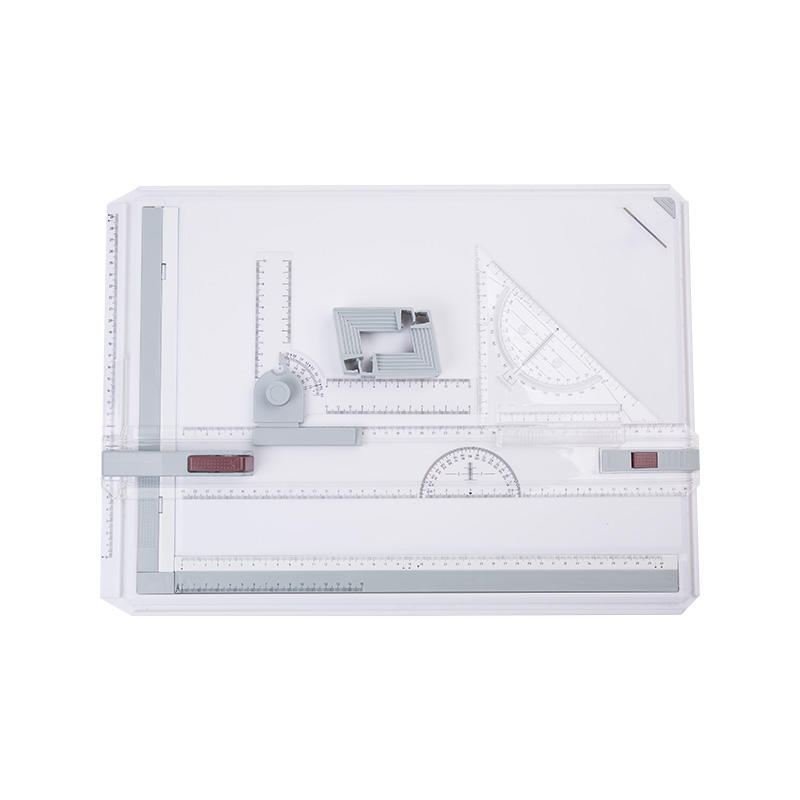
Key Features to Look for in a High-Quality Drawing Board
The material used in manufacturing a
drawing board is the first factor that determines the board’s durability, surface quality, and overall stability. The choice of material directly affects how well the board can withstand regular use, environmental factors, and the type of work it supports. Drawing boards can be made from wood, metal, composite materials, or a combination of these materials. Each material offers unique advantages depending on the specific needs of the user.
Wood has been a traditional material used for high-quality drawing boards for many years. Its natural composition provides a firm and durable base, while also being relatively easy to maintain. Wood offers an excellent surface for drawing, providing a smooth texture that helps drawing instruments glide seamlessly. The natural grain of the wood, when treated and finished properly, can enhance the overall aesthetics of the board. Moreover, wood can be sanded and refinished if necessary, making it a long-lasting choice for professionals. At Hangzhou Jinnan Tools & Measure Co., Ltd., we specialize in crafting wooden boards that are engineered to last. We use carefully selected timber and treat it with specific processes to ensure a uniform finish and stability. These wood-based boards are designed to provide a solid, reliable platform for all types of design work, from artistic sketches to technical drawings.
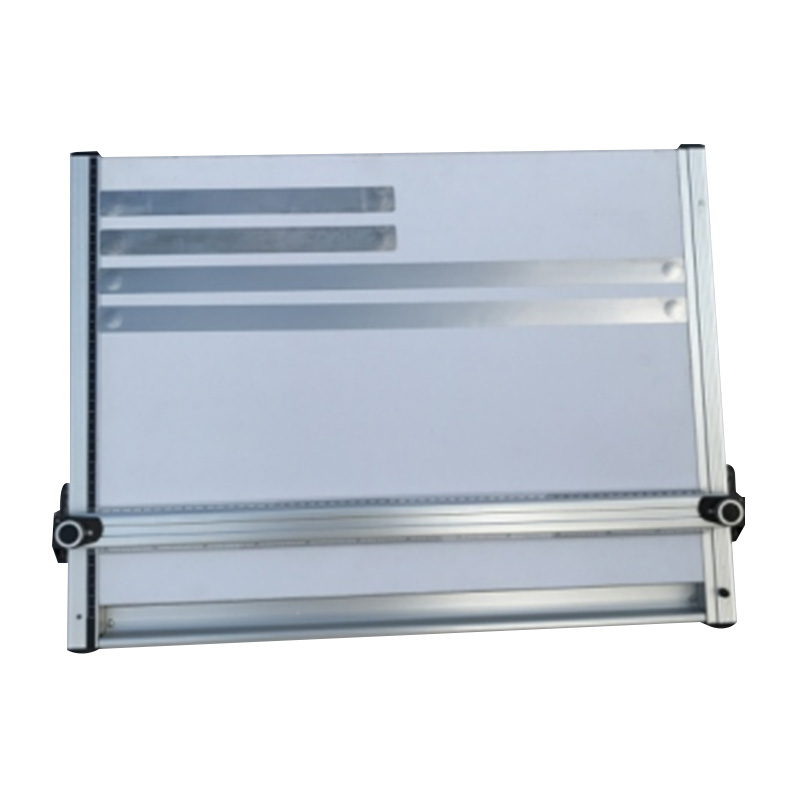
Metal, particularly aluminum, is widely used in drawing boards due to its lightweight yet strong nature. Metal boards offer superior durability, resisting warping or deformation over time, even under heavy use. The rigidity of the material ensures that the drawing surface remains perfectly level, which is crucial for precision work. Metal’s sleek surface makes it easy to clean and maintain. At Hangzhou Jinnan Tools & Measure Co., Ltd., we produce metal-based drawing boards with advanced manufacturing processes that ensure they are light, strong, and accurate. We incorporate a variety of metal finishes, from matte to glossy, depending on the application and user needs, while ensuring that our metal boards provide a stable, durable surface.
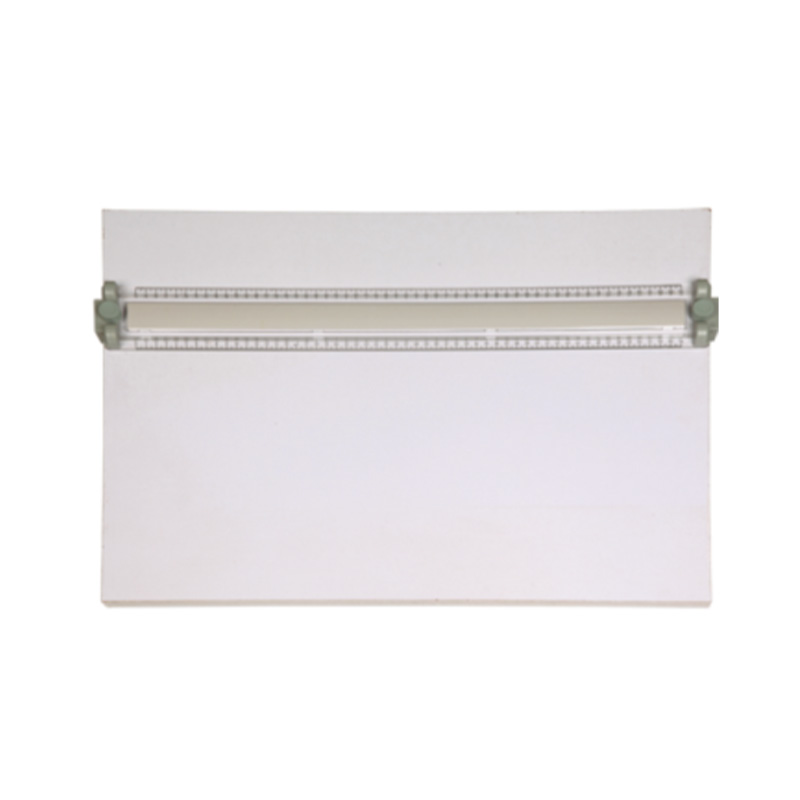
Composite materials like MDF (Medium-Density Fiberboard) are an increasingly popular option for modern drawing boards. MDF is a dense, engineered wood product that provides a sturdy and smooth surface, making it ideal for precision work. It’s also lighter than solid wood and often more affordable while maintaining a high degree of durability. Hangzhou Jinnan Tools & Measure Co., Ltd. uses composite materials that offer a blend of wood’s smoothness and metal’s durability. Our MDF-based boards are designed to offer professional-level quality without the high cost of solid wood or metal.
| Parameter |
Material |
Size Options |
Adjustability |
Surface Texture |
| Frame Construction |
Wood, Metal, Composite |
A0, A1, A2, Custom Sizes |
Tilt Adjustment (0-60°) |
Ultra-Smooth, Anti-Slip |
| Surface Finish |
Smooth, Polished |
Custom Sizes Available |
Horizontal Sliding (Optional) |
Scratch-resistant, Durable |
| Weight |
Lightweight (Depending on Material) |
Compact (A4) to Large (A0) |
Adjustable Angles (Ergonomic) |
Non-Reflective, Non-Glare |
| Additional Features |
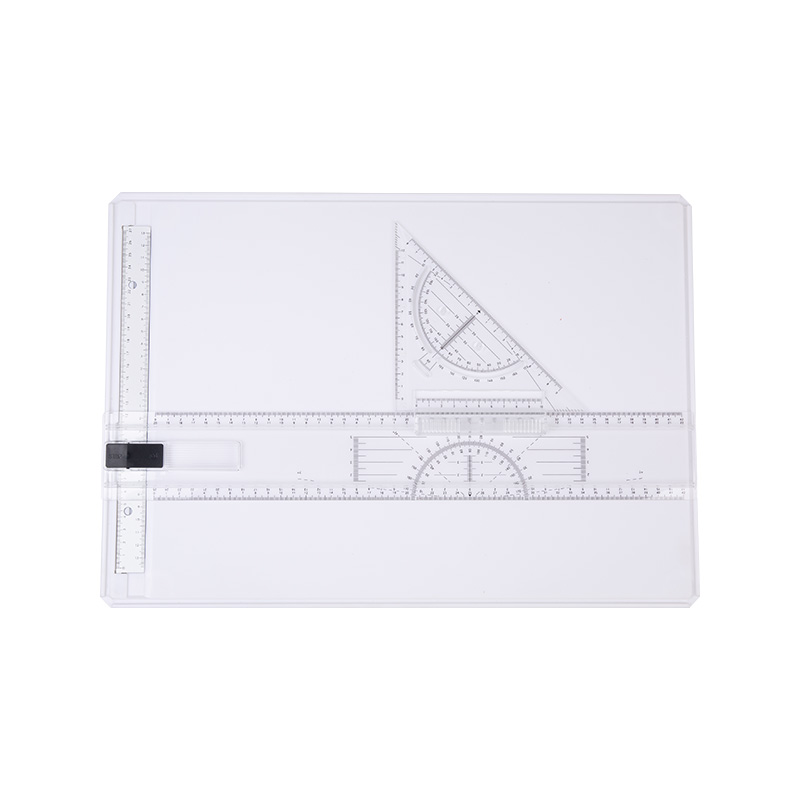
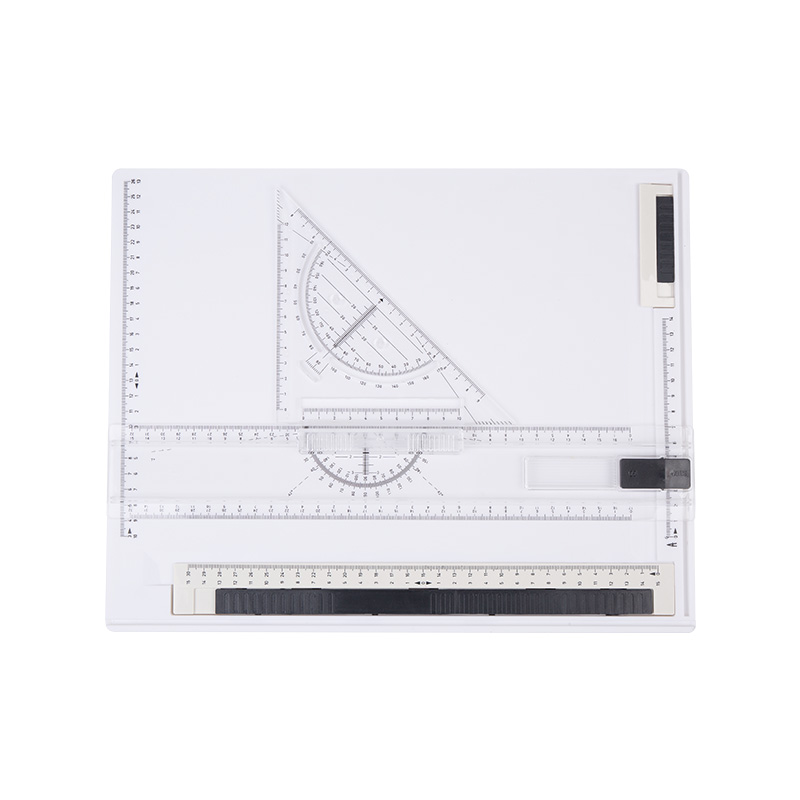
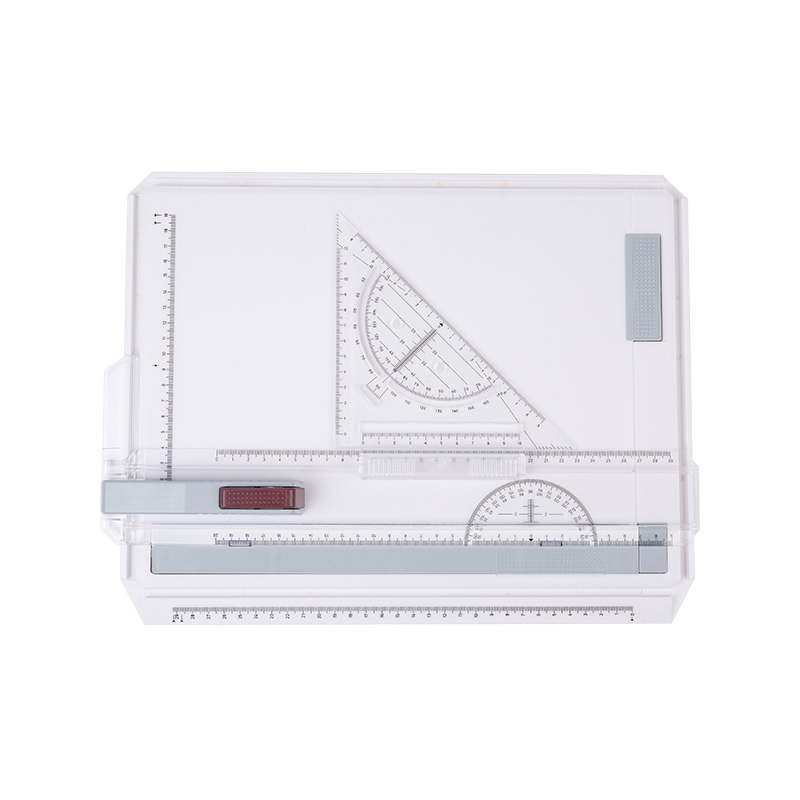
Built-in Ruler, Protractor (Optional) |
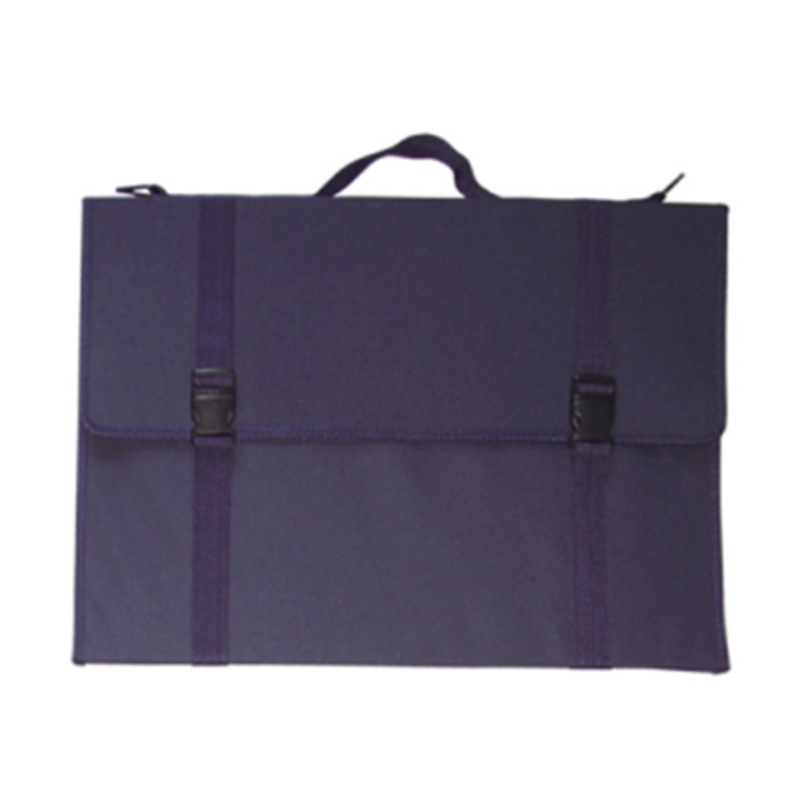
Portable Options Available |
Foldable (For Storage) |
Sturdy Grip, Easy to Clean |
The surface texture of a drawing board is fundamental to its functionality. A well-textured surface can significantly impact the comfort, speed, and accuracy with which a user can complete their work. The goal is to provide a surface that allows drawing tools such as pencils, pens, and rulers to glide smoothly, without resistance, but without causing slippage or loss of control.
A smooth surface is essential for any drawing activity. A rough or uneven surface can cause drawing instruments to skip or drag, resulting in irregular lines and making it difficult to produce accurate technical drawings. The smoothness of the board should be refined to such an extent that it allows for the effortless movement of a drawing instrument, ensuring consistency in every stroke. For example, when performing technical drawing, where precision is paramount, even the slightest irregularity in the surface can throw off measurements and proportions. At Hangzhou Jinnan Tools & Measure Co., Ltd., we prioritize a smooth and uniform finish for every board we manufacture. Through our high-precision manufacturing process, we ensure that our drawing boards offer an impeccable surface that minimizes friction, thus allowing for flawless movement of drawing tools.
While smoothness is critical for ease of use, the board must also provide enough grip to hold paper or other materials securely. A completely smooth surface without any texture can lead to paper slipping around, particularly when heavy or glossy materials are used. To address this, we integrate carefully designed anti-slip features into our drawing boards. These subtle textures are designed to enhance the board's grip, preventing paper from moving as the user works. At Hangzhou Jinnan Tools & Measure Co., Ltd., we use precise techniques to create these anti-slip textures, ensuring that our boards provide the right balance between smoothness and paper grip. Our textured surfaces are not harsh enough to affect the smoothness of drawing tools, but they are sufficient to hold paper in place securely.
The surface of a drawing board should also be resistant to damage from frequent use. Over time, frequent drawing and erasing can cause scratches and dents on the surface, especially with lower-quality boards. These imperfections can degrade the board’s functionality and make it harder to achieve clean, precise lines. Our boards are designed to resist these types of damage, thanks to the high-quality materials we use and our strict manufacturing standards. Whether you choose a wood, metal, or composite board, we ensure that the surface is treated and coated to withstand daily wear and tear. Our boards are crafted with the understanding that professionals require equipment that can endure high-intensity use over long periods without compromising on quality or performance.
Selecting the right size for a drawing board is essential for both comfort and functionality. The size of the board directly affects the available workspace, the ease of handling, and the precision of work. A larger board provides more room for intricate designs and detailed work, while a smaller board offers portability and ease of storage. It's essential to understand how the size of the board influences your workflow, particularly in technical or architectural drawing where scale is a critical factor.
Standard sizes such as A1 and A2 are commonly used in the drawing board industry and cater to a wide range of applications. The A1 size provides ample space for larger designs and is commonly used by architects and engineers for creating blueprints, technical drawings, and detailed sketches. The A2 size, on the other hand, is ideal for smaller, more detailed projects, such as architectural sketches or design drafts. At Hangzhou Jinnan Tools & Measure Co., Ltd., we ensure that our standard sizes meet the needs of various professionals, whether they are working on intricate technical details or more expansive designs. The versatility of these sizes allows us to cater to a wide range of industries, offering flexibility without compromising on quality or precision.
In addition to standard sizes, we also provide custom drawing boards tailored to specific requirements. This is particularly beneficial for professionals who work on specialized projects that require non-standard dimensions. For instance, architects who work with large-scale blueprints or designers with specific space constraints might prefer boards that exceed the standard dimensions. Hangzhou Jinnan Tools & Measure Co., Ltd. offers the option to customize the size of our drawing boards, ensuring that they perfectly match the user's specific needs. Whether it’s a larger surface area for expansive architectural designs or a compact board for on-the-go sketching, we work closely with our clients to create drawing boards that fit their exact specifications.
When choosing the size of a drawing board, space considerations are critical. While larger boards provide ample room for extensive designs, they also require more workspace. It's essential to ensure that the drawing board is compatible with the work environment, whether it’s a professional office, a home workspace, or a mobile setup for on-the-go use. Ergonomics also plays a role in selecting the appropriate size; a larger board may be more cumbersome, leading to strain during long hours of work. Our boards are designed with ergonomics in mind, offering a range of sizes that can be easily adjusted or stored depending on your needs. This ensures that users can enjoy a comfortable and productive workspace without the worry of overcrowding their environment.
The ability to adjust the angle of a drawing board is an essential feature that improves both the ergonomics and functionality of the board. Adjustability allows users to customize the working position of the board, improving comfort and reducing strain, which is especially important for professionals who spend long hours at their desks.
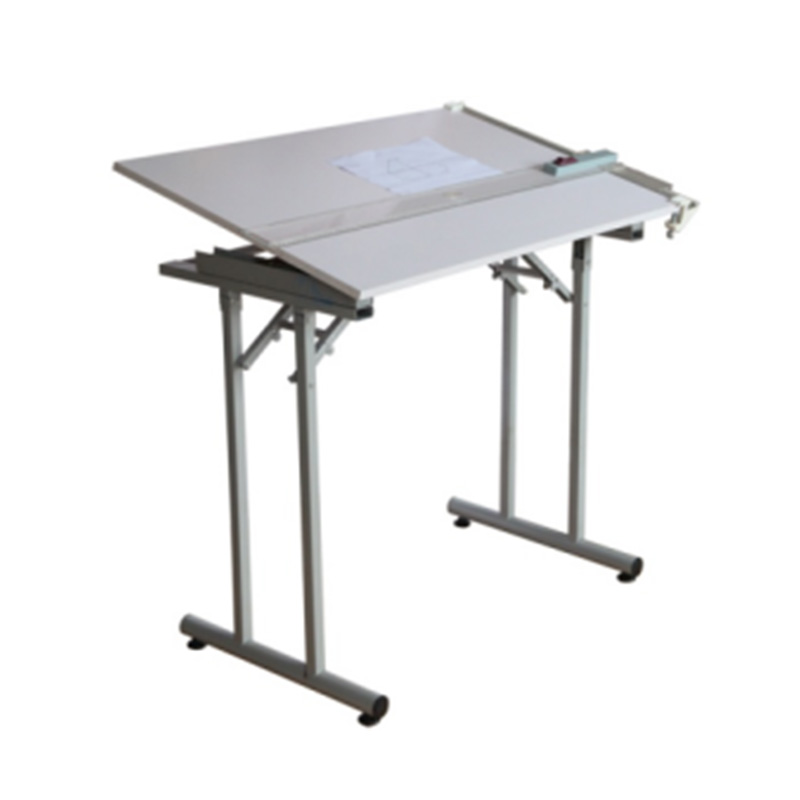
A tilt-adjustable drawing board offers significant advantages, especially for professionals working on detailed and intricate designs. The tilt function enables users to set the board at an angle that is most comfortable for them, reducing neck and back strain. For instance, a higher angle might be preferred for technical drawing, where the user needs to see fine details clearly. On the other hand, a lower angle might be more suitable for sketching or other creative work. At Hangzhou Jinnan Tools & Measure Co., Ltd., we have designed our boards with an easy-to-use tilt adjustment mechanism. This mechanism allows users to quickly set the board at the most comfortable angle without losing stability, ensuring that long drawing sessions are less physically taxing.
In addition to tilt adjustments, some of our drawing boards come equipped with sliding mechanisms. These allow the user to adjust the horizontal position of the board, offering even greater flexibility. Whether a user needs to reposition the surface to access a new area or adjust the angle of the board for different drawing techniques, the sliding mechanism ensures that the transition is smooth and effortless. This feature is especially valuable for large-scale projects where the user may need to move from one section of the drawing to another seamlessly. By incorporating these features, Hangzhou Jinnan Tools & Measure Co., Ltd. enhances the functionality of our drawing boards, providing professionals with the flexibility they need to work effectively on any project.