Materials and Construction: Building Durable Measuring Squares
The choice of material plays an essential role in the overall durability, performance, and longevity of measuring squares. At Hangzhou Jinnan Tools & Measure Co., Ltd., we understand that the materials we select must strike a perfect balance between strength, wear resistance, corrosion resistance, and ease of manufacturing. By focusing on these factors, we ensure that our measuring squares can endure constant use and various environmental conditions while maintaining accuracy.
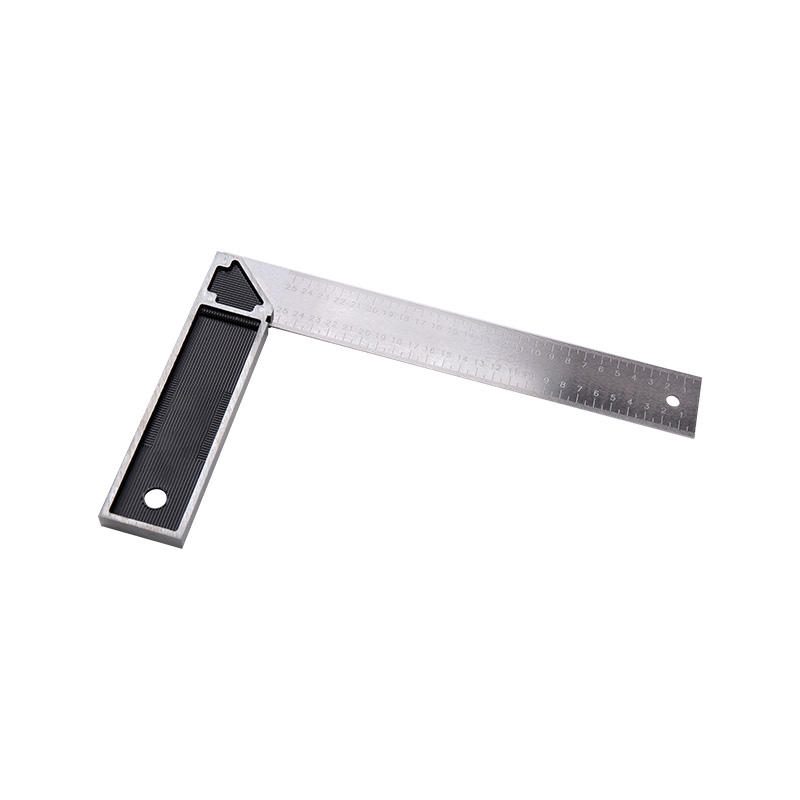
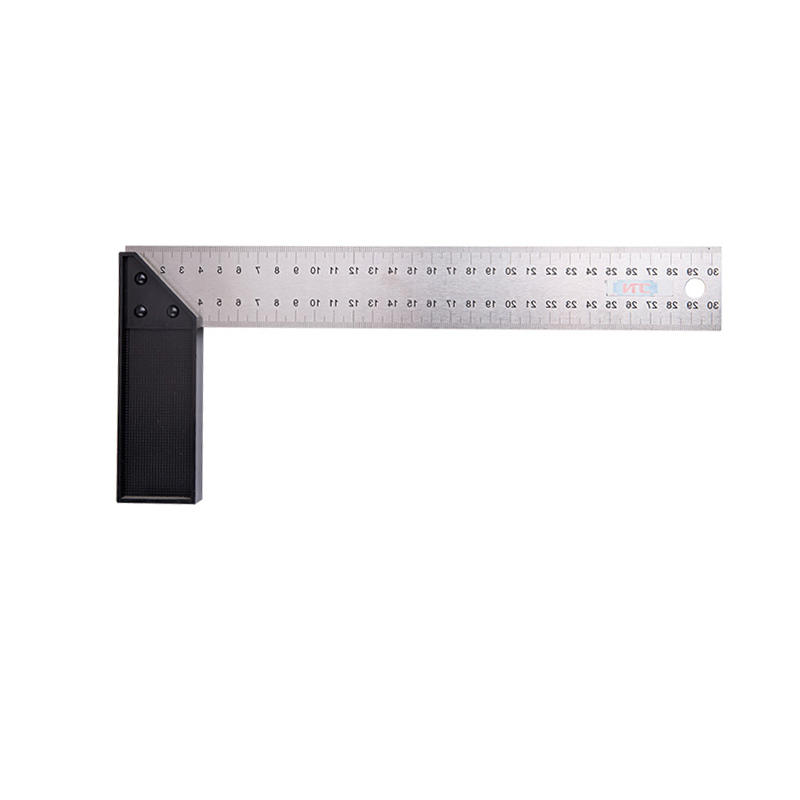
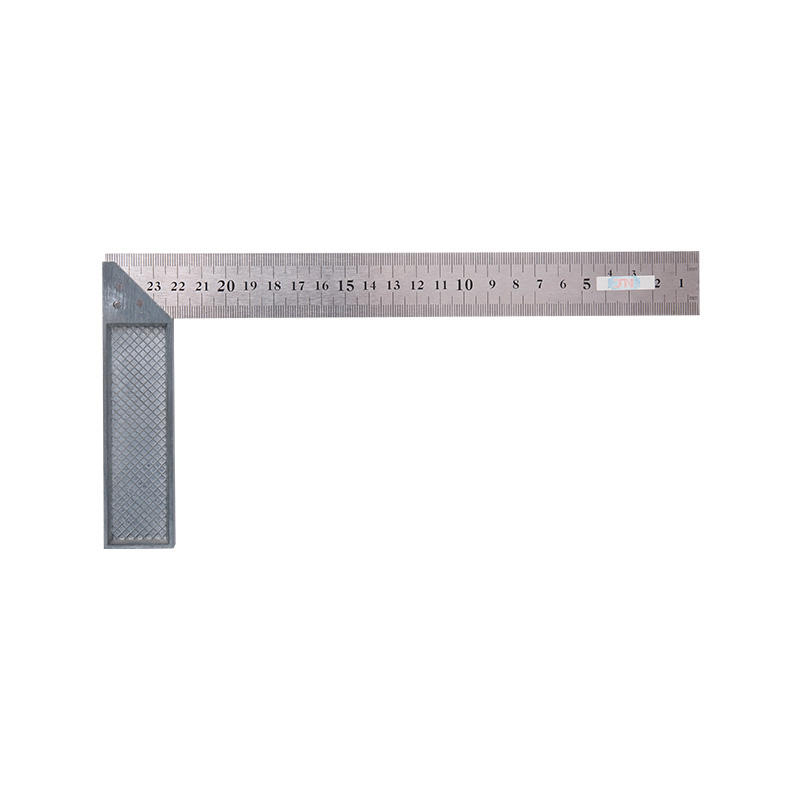
Stainless Steel: Stainless steel is the primary material for our high-end measuring squares. This alloy is particularly valued for its rust and corrosion-resistant properties, which make it an ideal material for measuring squares that need to withstand long-term exposure to moisture or corrosive environments. At Hangzhou Jinnan Tools & Measure Co., Ltd., we use premium grades of stainless steel to manufacture our measuring squares. This choice ensures that the squares retain their structural integrity and precision over time, even in challenging conditions. Stainless steel’s inherent toughness means that our measuring squares resist bending or distortion, even under significant stress or after prolonged use. Stainless steel has a smooth surface that minimizes friction, enhancing the ease of use when the square is in contact with wood, metal, or other materials.
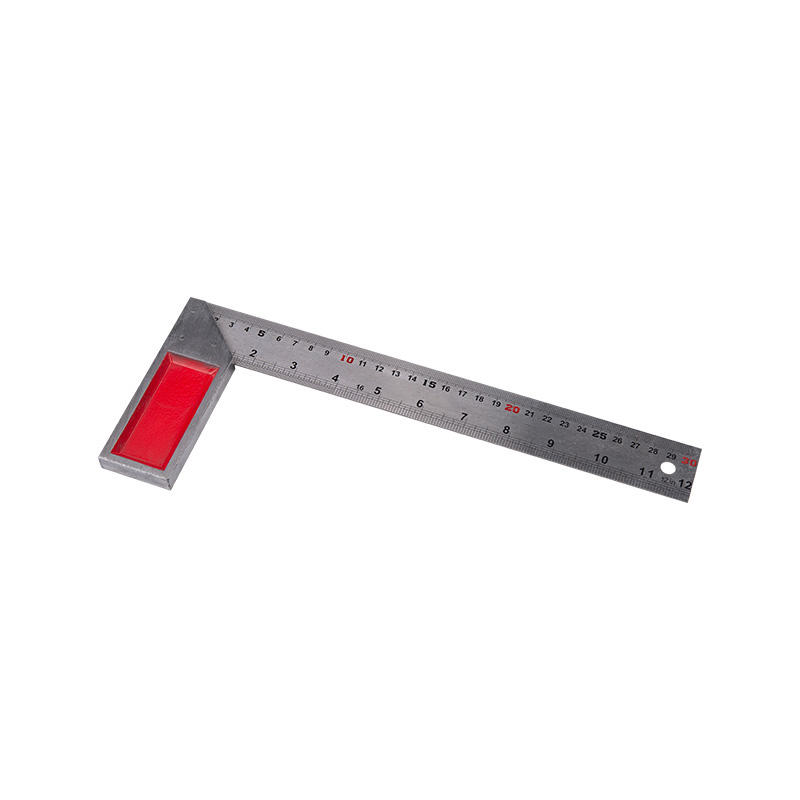
Carbon Steel: While stainless steel is commonly used for most of our measuring squares, carbon steel offers a more cost-effective solution for certain models, particularly those intended for heavy-duty applications. Carbon steel is harder than stainless steel, which makes it more suitable for tasks that require extreme strength, such as construction or metalworking. However, carbon steel is more susceptible to rust, so we treat the surface with protective coatings to enhance corrosion resistance. By carefully selecting the right grade of carbon steel and applying these treatments, Hangzhou Jinnan Tools & Measure Co., Ltd. ensures that our carbon steel measuring squares meet the demanding requirements of various industries while providing durability and precision.
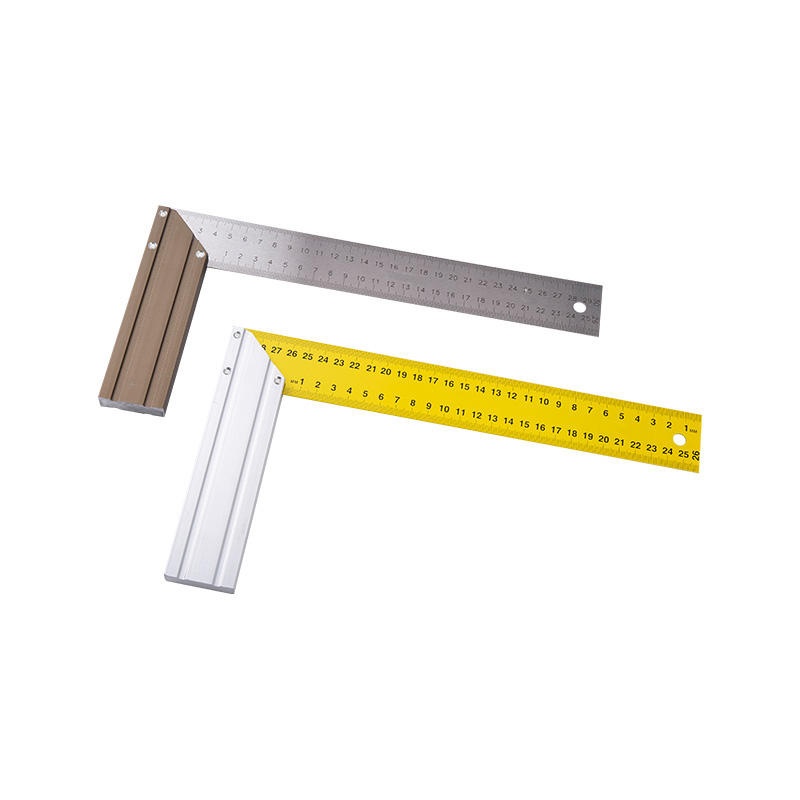
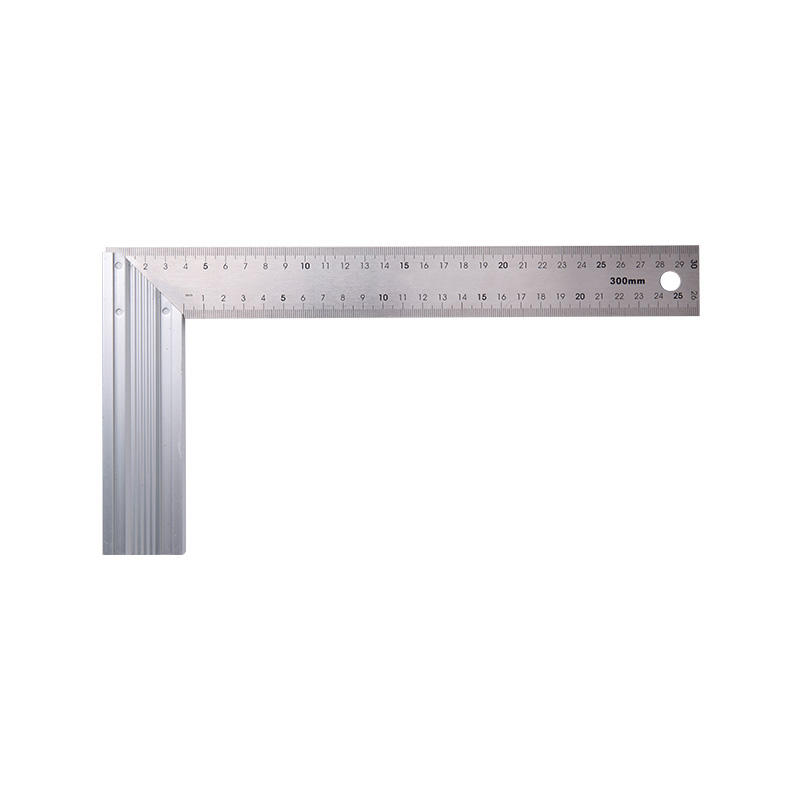
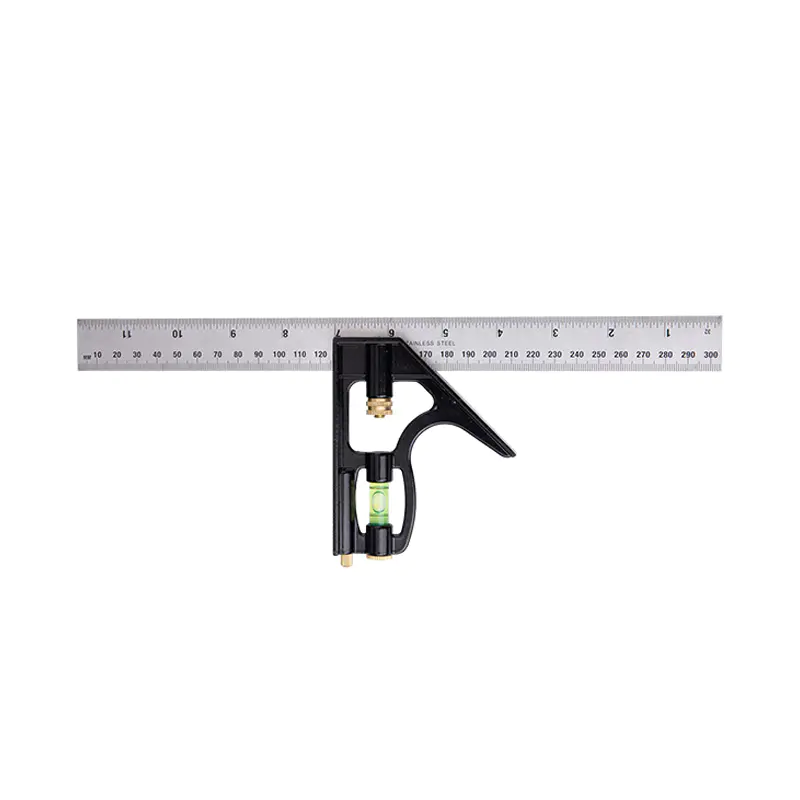
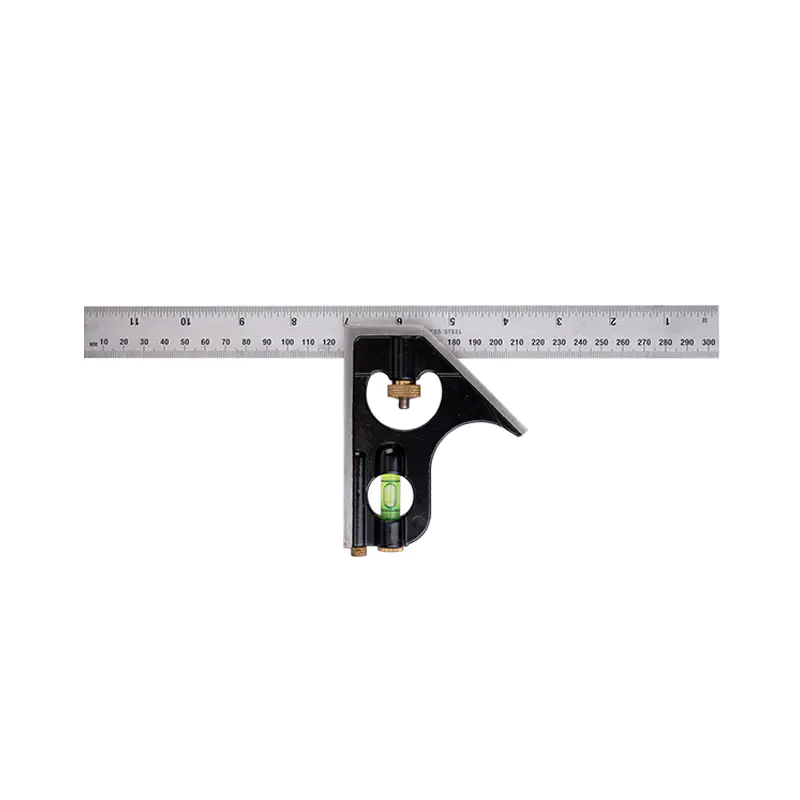
Aluminum: For some of our lightweight models, such as combination squares, we opt for aluminum alloys. Aluminum is known for its exceptional lightness, making it an ideal choice for measuring squares that need to be carried around frequently or used in tight spaces. Although it is not as strong as steel, aluminum still provides the necessary durability and accuracy for a wide range of tasks. The alloy we use at Hangzhou Jinnan Tools & Measure Co., Ltd. has been selected to maximize both strength and corrosion resistance, ensuring that the squares remain precise even after years of use. Aluminum also offers good resistance to wear and tear, making it a reliable material for professional applications.
Other Alloys and Specialized Materials: In some cases, Hangzhou Jinnan Tools & Measure Co., Ltd. utilizes special alloys or materials to meet specific requirements. For instance, titanium alloys are used for measuring squares that require extreme resistance to corrosion, especially in industries like aerospace or marine. Titanium is lightweight yet incredibly strong and highly resistant to corrosion, making it ideal for these specialized applications. Additionally, we may incorporate brass, bronze, or tool steel in the construction of some high-end models, depending on the particular needs of our customers. By offering such customized options, we cater to the precise requirements of diverse industries.
At Hangzhou Jinnan Tools & Measure Co., Ltd., we place a strong emphasis on surface treatments that extend the life of our measuring squares. Surface treatments are not just about aesthetics; they provide essential protection against corrosion, wear, and other environmental factors. Each of our measuring squares undergoes specific treatment processes designed to enhance their durability and performance.
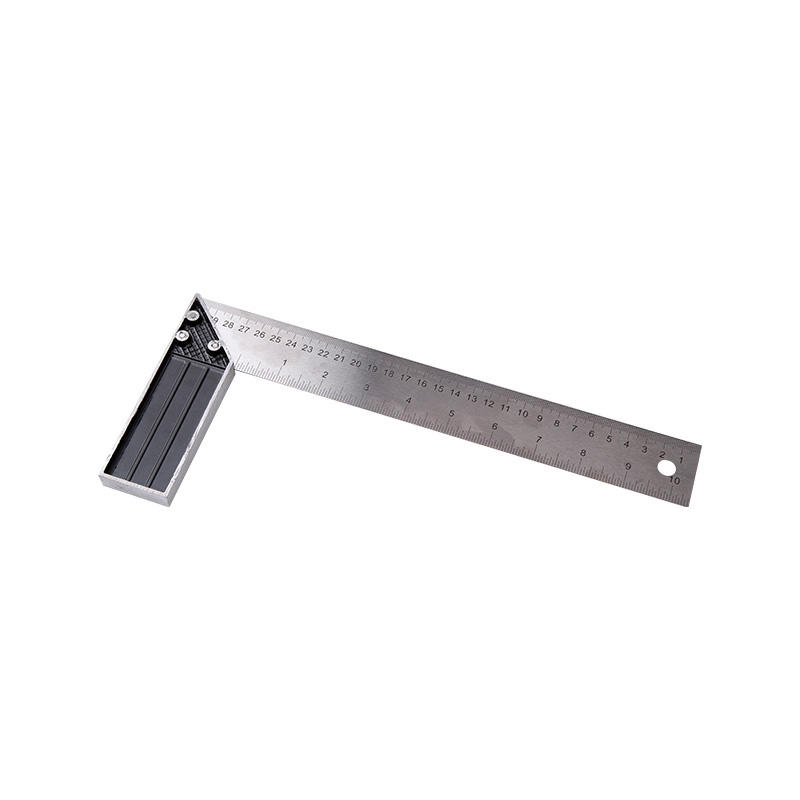
Chrome Plating: Chrome plating is widely used for stainless steel and carbon steel measuring squares. The process involves applying a thin layer of chromium to the surface of the square. This coating is highly effective in enhancing the square's resistance to rust, abrasion, and corrosion. Chrome plating also improves the surface’s smoothness, making the measuring square easier to use in a variety of applications. At Hangzhou Jinnan Tools & Measure Co., Ltd., we ensure that the chrome plating is applied evenly, offering a consistent finish that protects the square without affecting its precision. The added chrome layer also provides a sleek, shiny appearance that maintains its look even after extended use. The durability of the chrome plating ensures that the measuring square retains its accuracy, even after many years of heavy use.
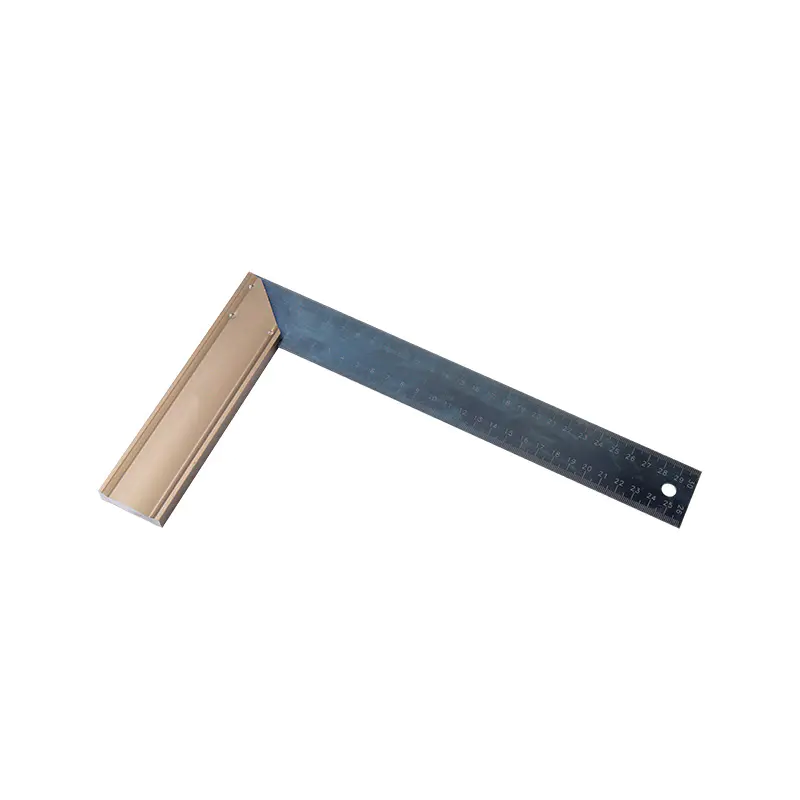
Anodizing: For aluminum measuring squares, we use anodizing, a process that enhances the material’s natural oxide layer. This treatment not only increases corrosion resistance but also improves surface hardness, making the square more resistant to scratches and wear. The anodized surface of our measuring squares at Hangzhou Jinnan Tools & Measure Co., Ltd. is also more durable and has a more attractive matte finish, which appeals to professionals in industries where appearance matters as much as function. Anodizing allows us to customize the color of the square, adding both aesthetic value and an additional layer of protection. This process ensures that our aluminum measuring squares remain reliable even in harsh environments.
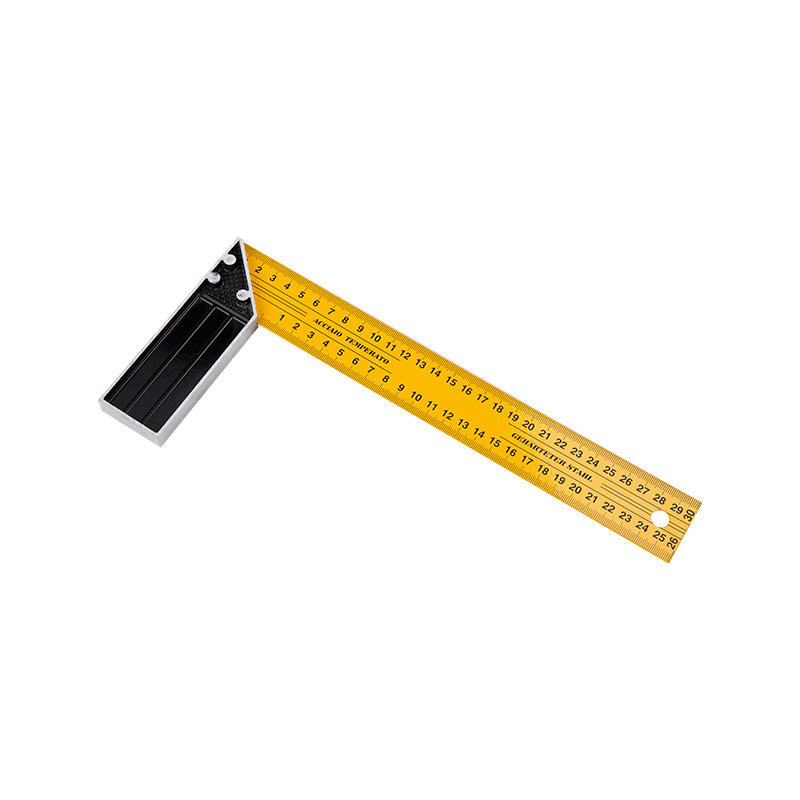
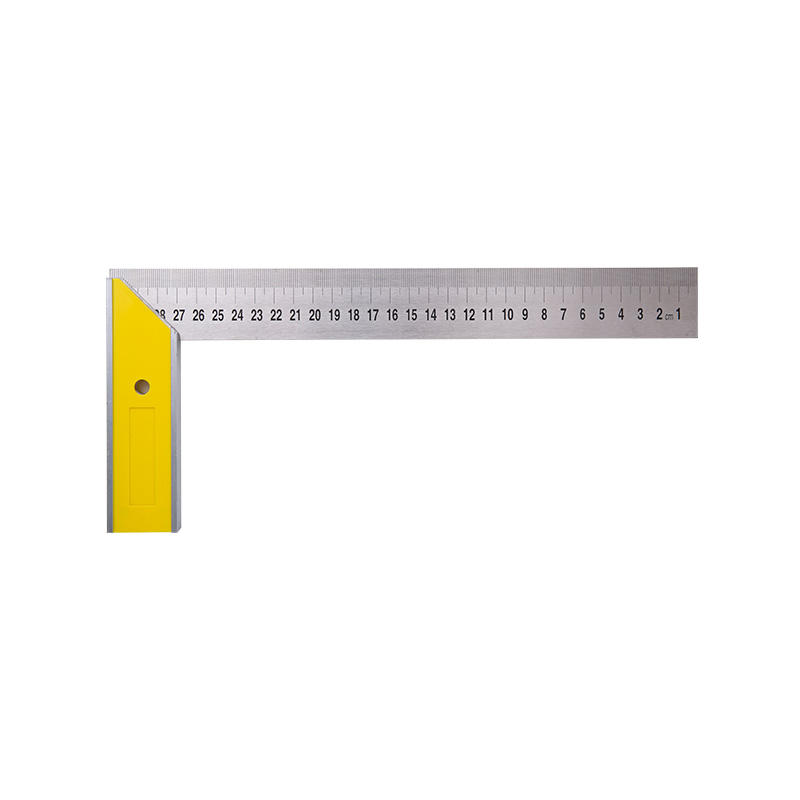
Powder Coating: For additional protection against physical wear, we apply a powder coating to some of our measuring squares. Powder coating is a dry finishing process where a powdered paint is electrostatically applied to the surface of the square and then cured under heat. This coating forms a hard, durable finish that is resistant to chipping, scratching, fading, and wear. Powder coating also enhances the square’s resistance to UV damage, ensuring that the tool retains its appearance and functionality even when exposed to sunlight. At Hangzhou Jinnan Tools & Measure Co., Ltd., we select the best powders and ensure that the coating is applied uniformly to every tool, maintaining both protection and precision.
Lubrication and Anti-Rust Coatings: In some cases, especially when dealing with measuring squares that feature moving parts or are intended for use in very humid or wet environments, we apply a thin layer of lubricant or anti-rust coatings. These treatments are designed to keep the tools from corroding while in storage or during use. For instance, some of our combination squares, which feature sliding components, benefit from lubrication to ensure smooth operation and to prevent rusting. The anti-rust coatings we apply are designed to create a barrier between the metal and moisture, protecting the square from rust formation over time.
The quality of our
measuring squares is deeply rooted in the manufacturing process we employ at Hangzhou Jinnan Tools & Measure Co., Ltd.. Every tool that leaves our facility has gone through a series of highly controlled steps, each designed to ensure that it meets our exacting standards. The combination of advanced technology and the expertise of our engineers ensures that each measuring square is crafted with precision and care.
CAD Design and Prototyping: Our process begins with Computer-Aided Design (CAD), which allows us to create precise digital models of the measuring squares before any physical work begins. These CAD models ensure that our design team can visualize and test each tool's functionality, making adjustments to improve performance and accuracy. Once the design is finalized, we create prototypes to test the square’s fit and function in real-world conditions. This phase of the process ensures that our measuring squares meet the precise needs of our customers, both in terms of performance and durability.
CNC Machining: To achieve the high level of precision required for measuring squares, we utilize Computer Numerical Control (CNC) machining. CNC machines are capable of performing highly detailed and accurate cuts based on the digital specifications provided by our design team. This technology eliminates the potential for human error, ensuring that every measuring square is manufactured with consistent accuracy. Whether it is cutting the edges or drilling holes, the CNC process guarantees that each tool meets the strict tolerances we set for precision.
Laser Etching and Marking: After the machining process is completed, we use laser etching to apply markings on the measuring square. These markings include scales, brand logos, and other essential information, all of which are etched with extreme precision. Laser etching is the ideal solution for ensuring that these markings remain visible and legible even after years of heavy use. At Hangzhou Jinnan Tools & Measure Co., Ltd., we take great care in the etching process, ensuring that all measurements are accurate and that the tool retains its readability for its entire lifespan.
Assembly and Quality Control: After the components are machined, etched, and finished, they are assembled into the final product. This stage involves ensuring that all parts fit together precisely and function smoothly. Each measuring square undergoes rigorous testing, which includes calibrating the angles and checking the tool for squareness. At Hangzhou Jinnan Tools & Measure Co., Ltd., we subject every measuring square to a series of quality control procedures to guarantee that it performs to the highest standards. Our engineers and quality control specialists test each tool's accuracy and reliability, ensuring that it is ready for use in demanding professional environments.